


통합검색
한의약융합데이터 콘텐츠 바로가기


| 전체보기 학술정보센터 (1)건 |
| KMCRIC TV |
| 전체보기 한의약융합데이터센터 (173)건 | ||||
| 근거중심한의약 DB | ||||
| [체계적 문헌고찰] J Thromb Thrombolysis. 2014 Meta-analysis of randomized controlled trials reveals an improved clinical outcome of using genotype plus clinical algorithm for warfarin dosing. | ||||
|
[체계적 문헌고찰] Perm J. 2015
Acupuncture Safety in Patients Receiving Anticoagulants: A Systematic Review.
... 전달하는 연구라 생각된다. 또한 최근 강동경희대학교한방병원에서 시행한 후향적 차트 리뷰 연구에서도 와파린 또는 항혈소판제제를 복용하는 환자들이 침 치료를 받아도 출혈에 대해 안전하다는 결과와 흐름을 같이...
|
||||
| 약물상호작용 DB | ||||
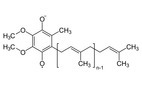
[한약-식이보충제 상호작용]
Vitamin K antagonists interfere with the synthesis of vitamin K-dependent clotting factors in the liver, according to secondary sources. Several medications, including warfarin, have been developed for venous thromboembo
...
... 뒤집기 위해 사용된다. 처방전 없이 살 수 있는 비타민 K1 함유 멀티 비타민 보충제는 비타민 K1 결핍 환자의 와파린 항응고를 감소시킨다. 또한 비타민 K 결핍 환자는 비타민 K1 섭취의 적은 변화에도 민감하다. 임상...
|
||||
|
[한약-양약 상호작용]
Vitamin K antagonists interfere with the synthesis of vitamin K-dependent clotting factors in the liver. Several medications, including warfarin, have been developed for venous thromboembolism [1]. Vitamin K may de
...
... 뒤집기 위해 사용된다. 처방전 없이 살 수 있는 비타민 K1 함유 멀티 비타민 보충제는 비타민 K1 결핍 환자의 와파린 항응고를 감소시킨다. 또한 비타민 K 결핍 환자는 비타민 K1 섭취의 적은 변화에도 민감하다. 임상...
|
| 전체보기 지식솔루션센터 (1)건 |
| 생활 속 한의 |



| 전체보기 사이언스센터 (1)건 |
| 한의약 과학 한마당 |

| 융합 뉴스 |
|
항응고제 프라닥사, 와파린보다 출혈 감소 효과
e헬스통신 2014-01-23
베링거인겔하임, 임상3상 결과 심장분야 학술지 게재
|
|
엘리퀴스, 후한 점수 준 美신경과학회
데일리메디 2014-03-10
비판막성 심방세동 가이드라인 와파린 부적합 환자에 엘리퀴스 우선 처방
|
| 근거중심한의약 DB |
| [체계적 문헌고찰] J Thromb Thrombolysis. 2014 Meta-analysis of randomized controlled trials reveals an improved clinical outcome of using genotype plus clinical algorithm for warfarin dosing. |
|
[체계적 문헌고찰] Perm J. 2015
Acupuncture Safety in Patients Receiving Anticoagulants: A Systematic Review.
... 전달하는 연구라 생각된다. 또한 최근 강동경희대학교한방병원에서 시행한 후향적 차트 리뷰 연구에서도 와파린 또는 항혈소판제제를 복용하는 환자들이 침 치료를 받아도 출혈에 대해 안전하다는 결과와 흐름을 같이...
|
| 약물상호작용 DB | ||||
|
[한약-식이보충제 상호작용]
Vitamin K antagonists interfere with the synthesis of vitamin K-dependent clotting factors in the liver, according to secondary sources. Several medications, including warfarin, have been developed for venous thromboembolism [1]. Vitamin K may decrease the blood-thinning effects of vitamin K antagonists and will therefore lower the PT or INR value, increasing the risk of clotting. Therefore, people taking warfarin are usually counseled to keep dietary vitamin K levels consistent and to avoid vitamin K supplements. Conversely, vitamin K is used to treat overdoses or any excess anticoagulant effects of warfarin and to reverse the effects of warfarin prior to surgery or other procedures. Over-the-counter vitamin K1-containing multivitamin supplements decrease warfarin anticoagulation in vitamin K1-depleted patients. Vitamin K-depleted patients are sensitive to even small changes in vitamin K1 intake. In humans, oral or intravenous vitamin K were shown to decrease elevated PT or INRs associated with warfarin use [2;3], but the effects on induced coagulopathy are not clear [4]. In humans, low-dose oral vitamin K (1.25mg) did not reduce bleeding in warfarin recipients, with INRs of 4.5-10.0 [5]. Results from a meta-analysis showed that polymorphism of the vitamin K epoxide reductase complex subunit 1 (VKORC1) played a role in the warfarin dosage requirement [6]. According to the authors of reviews, manipulation of dietary vitamin K levels is an option for managing stability of oral anticoagulant therapy [7;8]. In human research, oral vitamin K was not shown to affect the pharmacokinetics of S- and R-warfarin [9].
... 뒤집기 위해 사용된다. 처방전 없이 살 수 있는 비타민 K1 함유 멀티 비타민 보충제는 비타민 K1 결핍 환자의 와파린 항응고를 감소시킨다. 또한 비타민 K 결핍 환자는 비타민 K1 섭취의 적은 변화에도 민감하다. 임상...
|
||||
|
[한약-양약 상호작용]
Vitamin K antagonists interfere with the synthesis of vitamin K-dependent clotting factors in the liver. Several medications, including warfarin, have been developed for venous thromboembolism [1]. Vitamin K may decrease the blood-thinning effects of vitamin K antagonists and will therefore lower the PT or INR value, increasing the risk of clotting. Therefore, people taking warfarin are usually counseled to keep dietary vitamin K levels consistent and to avoid vitamin K supplements. Conversely, vitamin K is used to treat overdoses or excess anticoagulant effects of warfarin and to reverse the effects of warfarin prior to surgery or other procedures. Over-the-counter vitamin K1-containing multivitamin supplements decrease warfarin anticoagulation in vitamin K1-depleted patients. Vitamin K-depleted patients are sensitive to even small changes in vitamin K1 intake. In humans, oral or intravenous vitamin K were shown to decrease elevated PT or INRs associated with warfarin use [2;3], but effects on induced coagulopathy are not clear [4]. In humans, low-dose oral vitamin K (1.25mg) did not reduce bleeding in warfarin recipients with INRs of 4.5-10.0 [5]. Results from a meta-analysis showed that polymorphism of the vitamin K epoxide reductase complex subunit 1 (VKORC1) played a role in the warfarin dosage requirement [6]. According to the authors of reviews, manipulation of dietary vitamin K levels is an option for managing stability of oral anticoagulant therapy [7;8]. In human research, oral vitamin K was not shown to affect the pharmacokinetics of S- and R-warfarin [9].
... 뒤집기 위해 사용된다. 처방전 없이 살 수 있는 비타민 K1 함유 멀티 비타민 보충제는 비타민 K1 결핍 환자의 와파린 항응고를 감소시킨다. 또한 비타민 K 결핍 환자는 비타민 K1 섭취의 적은 변화에도 민감하다. 임상...
|
| 의료인의 서재 |